

What is the heat resistance of printed elastic bands?
Aug 20, 2026
Leave a message
As a seasoned supplier of printed elastic bands, I've encountered numerous inquiries regarding their heat resistance. This is a crucial aspect, especially for applications where the elastic bands are exposed to elevated temperatures during manufacturing, storage, or end - use. In this blog, I'll delve into the factors influencing the heat resistance of printed elastic bands, the testing methods, and how it impacts different types of our products.
Understanding the Basics of Printed Elastic Bands
Printed elastic bands are a versatile product used in a wide range of industries, from fashion and apparel to medical and industrial applications. They are typically made from a combination of natural or synthetic rubber and textile fibers, with a printed design on the surface. The printing can be done using various techniques, such as screen printing, digital printing, or heat transfer printing.
The base materials of elastic bands play a significant role in determining their heat resistance. Natural rubber, for example, has a relatively low heat resistance compared to synthetic rubbers like neoprene or silicone. Textile fibers, such as polyester or nylon, also contribute to the overall heat - resistant properties of the band. When the elastic band is printed, the ink and the printing process can further affect its ability to withstand heat.
Factors Affecting Heat Resistance
1. Base Rubber Material
Natural rubber starts to lose its elasticity and mechanical properties at relatively low temperatures, usually around 70 - 85°C (158 - 185°F). As the temperature rises, it can become brittle, crack, or even melt. Synthetic rubbers, on the other hand, offer better heat resistance. Neoprene can withstand temperatures up to 120 - 150°C (248 - 302°F), while silicone rubber can handle temperatures as high as 200 - 250°C (392 - 482°F).
2. Textile Fibers
Polyester fibers have good heat resistance and can maintain their strength up to 150 - 180°C (302 - 356°F). Nylon, another common fiber, has a slightly lower heat resistance, with its properties starting to degrade around 120 - 150°C (248 - 302°F). The blend ratio of rubber to textile fibers also matters. A higher proportion of heat - resistant fibers can enhance the overall heat - resistant performance of the elastic band.
3. Printing Inks and Processes
The inks used for printing on elastic bands can have different heat - resistant properties. Water - based inks are generally less heat - resistant compared to solvent - based or UV - cured inks. Solvent - based inks can withstand higher temperatures, but they may release volatile organic compounds (VOCs). UV - cured inks offer a good balance of heat resistance and environmental friendliness. The printing process itself can also affect heat resistance. For example, heat transfer printing can sometimes increase the overall heat sensitivity of the band if not properly controlled.
Heat Resistance Testing
To accurately determine the heat resistance of our printed elastic bands, we use a combination of standardized and in - house testing methods.
Standardized Tests
One of the most common standardized tests is the ASTM D573 test method, which measures the aging of rubber under air - oven conditions. In this test, samples of the elastic band are placed in an oven at a specific temperature for a set period. After the aging period, the samples are removed and tested for changes in physical properties such as tensile strength, elongation at break, and hardness.
Another important test is the ISO 188 standard, which is similar to the ASTM D573 but is more widely used in Europe and other parts of the world. This test also evaluates the aging of rubber materials under elevated temperatures and provides a comprehensive assessment of the material's long - term heat - resistant performance.
In - House Testing
In addition to standardized tests, we conduct in - house tests to simulate real - world conditions. For example, we test the elastic bands under different humidity levels and temperature cycling to see how they perform in a more dynamic environment. We also test the printed designs for color fastness and adhesion at elevated temperatures to ensure that the printed patterns remain intact.
Heat Resistance in Different Types of Printed Elastic Bands
Wavy - Edge Elastic Band
The Wavy - Edge Elastic Band is often used in clothing and lingerie applications. Depending on its composition, its heat resistance can vary. If it is made with a high - quality synthetic rubber and heat - resistant textile fibers, it can withstand relatively high temperatures during garment ironing or industrial processing. However, if it contains a large proportion of natural rubber, it may need to be handled with care in high - heat situations.
Decorative - Edge Elastic Band
The Decorative - Edge Elastic Band is designed for aesthetic purposes and is commonly used in fashion accessories. The decorative elements, such as lace or embroidery, can have different heat - resistant properties compared to the base elastic. For example, if the lace is made of a heat - sensitive material, it may limit the overall heat resistance of the elastic band.
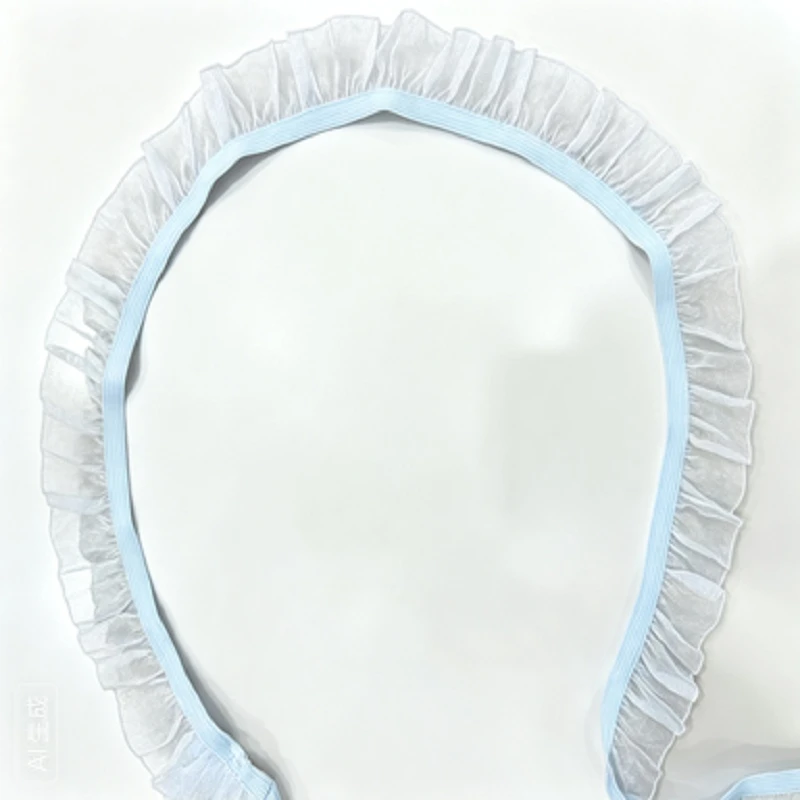
Lace Elastic Band
The Lace Elastic Band combines the elasticity of the band with the delicate look of lace. The lace is usually made of fine fibers, which can be more sensitive to heat. Therefore, care should be taken when using this type of elastic band in applications where it may be exposed to high temperatures.
Jacquard Elastic Band
The Jacquard Elastic Band features intricate patterns created using a jacquard weaving technique. The printing on these bands is often more complex, and the ink and printing process need to be carefully selected to ensure good heat resistance. In addition, the high - density weaving of the jacquard design can also affect the band's ability to dissipate heat, which may influence its heat - resistant performance.

Lettered Jacquard Elastic Band
The Lettered Jacquard Elastic Band is a specialized type of jacquard band with letters or words woven into the design. The presence of the letters can add an extra layer of complexity to the band's heat - resistance. The ink and the bonding of the letters to the elastic need to be tested thoroughly to ensure that they do not peel or fade at elevated temperatures.
Applications and Recommendations
In the fashion industry, printed elastic bands are often used in clothing items that may need to be ironed. For such applications, it is recommended to choose bands with a good heat - resistant base material and printing inks. For example, bands made with neoprene or silicone rubber and UV - cured inks can withstand the heat of ironing without losing their elasticity or print quality.
In the medical industry, elastic bands are used in various devices such as braces and compression garments. These applications may require bands to be sterilized using heat or steam. In this case, high - heat - resistant materials like silicone rubber are preferred.
In industrial applications, printed elastic bands may be exposed to high - temperature processes during manufacturing. For example, in the automotive industry, elastic bands may be used in engines or other components where they are exposed to heat. In such situations, bands with excellent heat resistance, preferably those made with high - performance synthetic rubbers, should be selected.
Conclusion
The heat resistance of printed elastic bands is a complex property that is influenced by multiple factors, including the base rubber material, textile fibers, printing inks, and manufacturing processes. Understanding these factors is crucial for selecting the right elastic band for specific applications. As a supplier, we are committed to providing high - quality printed elastic bands with optimal heat - resistant properties.
If you are in need of printed elastic bands for your business and want to discuss the heat - resistant requirements for your specific application, please feel free to reach out. Our team of experts is ready to provide you with detailed information and offer customized solutions. We look forward to collaborating with you on your next project.
References
- ASTM D573 - 19, Standard Test Method for Rubber - Deterioration in an Air Oven.
- ISO 188:2011, Rubber, vulcanized or thermoplastic - Accelerated ageing and heat - resistance tests.