

Can I dye folded elastic binding?
Aug 21, 2026
Leave a message
Can I dye folded elastic binding? This is a question that often pops up among crafters, designers, and those in the textile industry. As a supplier of Folded Elastic Binding, I've encountered this query numerous times, and I'm here to provide a comprehensive answer.
Understanding Folded Elastic Binding
Before delving into the dyeing process, it's essential to understand what folded elastic binding is. Folded elastic binding is a type of elastic material that is folded over to create a smooth, finished edge. It is commonly used in various applications, such as clothing, lingerie, and home decor. The folding process gives the elastic a neat appearance and prevents fraying, making it ideal for both functional and decorative purposes.
There are different types of folded elastic binding available in the market, each with its own unique characteristics. Some are made from natural fibers like cotton or silk, while others are synthetic, such as polyester or nylon. The choice of material depends on the specific application and the desired properties of the elastic, such as stretch, durability, and softness.
Factors to Consider Before Dyeing
Dyeing folded elastic binding is possible, but it's not without its challenges. Several factors need to be considered before attempting to dye the elastic to ensure the best results.
Material Composition
The material composition of the folded elastic binding plays a crucial role in determining its dyeability. Natural fibers like cotton and silk are generally more receptive to dyes and can achieve vibrant, long - lasting colors. They have a porous structure that allows the dye molecules to penetrate easily. On the other hand, synthetic fibers such as polyester and nylon are more difficult to dye because they have a smooth, non - porous surface. Specialized dyes and techniques are often required to dye synthetic elastic effectively.
Elasticity
Dyeing can potentially affect the elasticity of the folded elastic binding. The chemicals in the dye and the dyeing process itself can cause the elastic to lose some of its stretch or become stiff. It's important to choose a dyeing method that minimizes this impact. For example, using a gentle dyeing process and avoiding excessive heat can help preserve the elasticity of the elastic.
Color Fastness
Color fastness refers to the ability of the dyed fabric to maintain its color over time and through various treatments, such as washing and exposure to sunlight. Different dyes have different levels of color fastness. For folded elastic binding that will be used in applications where it will be washed frequently, it's crucial to choose a dye with high color fastness to prevent the color from fading.
Dyeing Methods for Folded Elastic Binding
There are several dyeing methods that can be used for folded elastic binding, depending on the material and the desired result.
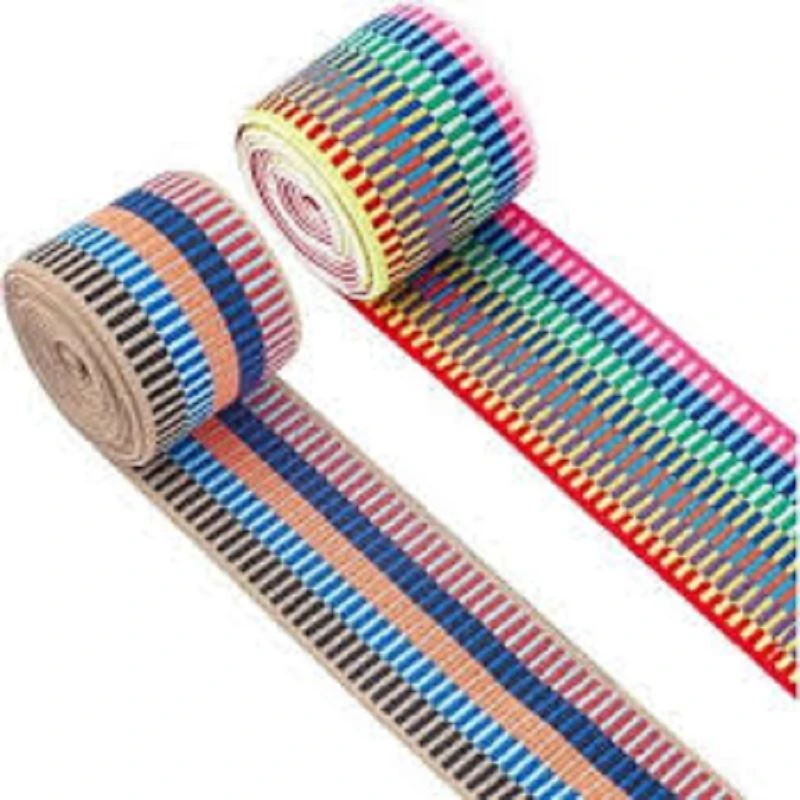

Immersion Dyeing
Immersion dyeing is one of the most common methods for dyeing folded elastic binding. In this method, the elastic is completely submerged in a dye bath. The dye bath is typically a mixture of water, dye, and a mordant (a substance that helps the dye adhere to the fabric). The elastic is left in the dye bath for a specific period of time, usually with gentle agitation to ensure even dye distribution.
For natural fibers like cotton, a simple all - purpose dye can be used. The elastic should be pre - washed to remove any dirt or sizing before dyeing. The dye bath should be heated to the appropriate temperature, usually around 80 - 100°C (176 - 212°F), and the elastic should be left in the bath for at least 30 minutes to an hour. After dyeing, the elastic should be rinsed thoroughly in cold water until the water runs clear.
Synthetic fibers, on the other hand, require a different approach. Disperse dyes are commonly used for dyeing polyester and nylon. These dyes are designed to work at higher temperatures, usually around 120 - 130°C (248 - 266°F). Specialized equipment, such as a pressure cooker, may be required to achieve these temperatures safely.
Hand - Painting
Hand - painting is a more artistic and precise method of dyeing folded elastic binding. It involves applying the dye directly to the elastic using a brush or a sponge. This method is suitable for creating custom designs or patterns on the elastic.
When hand - painting, it's important to use a dye that is specifically formulated for textiles. The elastic should be stretched out on a flat surface to ensure an even application of the dye. After applying the dye, the elastic should be left to dry completely. Heat - setting may be required to ensure the color is permanent.
Advantages and Disadvantages of Dyeing Folded Elastic Binding
Advantages
- Customization: Dyeing allows for a high degree of customization. You can create unique colors and patterns that are not available in pre - dyed elastic binding. This is particularly useful for designers and crafters who want to create one - of - a - kind pieces.
- Cost - effectiveness: In some cases, dyeing your own elastic binding can be more cost - effective than purchasing pre - dyed materials, especially if you need a large quantity of a specific color.
- Sustainability: Dyeing existing elastic binding instead of buying new materials can be a more sustainable option, as it reduces waste and the environmental impact associated with manufacturing new products.
Disadvantages
- Technical Challenges: Dyeing folded elastic binding requires some technical knowledge and skill. Incorrect dyeing methods can result in uneven color, loss of elasticity, or poor color fastness.
- Time - consuming: The dyeing process can be time - consuming, especially if you are using multiple colors or creating complex patterns.
- Equipment and Materials: You may need to invest in specialized equipment, such as a dye bath, brushes, and dyes, which can add to the overall cost.
Other Elastic Products in Our Range
As a supplier, we offer a wide range of elastic products in addition to Folded Elastic Binding. Our Binding Elastic Band is a versatile option that can be used for binding edges, creating loops, and more. It is available in different widths and colors to suit various applications.
Our Elastic Binding Cord is another popular product. It is made from high - quality elastic material and is suitable for use in crafts, clothing, and home decor. The cord has a smooth surface and excellent elasticity, making it easy to work with.
We also offer Seamless Flat Elastic Band and Invisible Elastic Band. The seamless flat elastic band is perfect for applications where a smooth, flat surface is required, such as in lingerie and sportswear. The invisible elastic band is designed to be discreet and can be used in garments where you don't want the elastic to be visible.
Conclusion and Call to Action
In conclusion, dyeing folded elastic binding is possible, but it requires careful consideration of the material, dyeing method, and potential challenges. With the right approach, you can achieve beautiful, customized results.
If you are interested in purchasing high - quality folded elastic binding or any of our other elastic products, we invite you to contact us for more information. Our team of experts is ready to assist you with your inquiries and help you find the perfect elastic solution for your needs. Whether you are a small - scale crafter or a large - scale manufacturer, we can provide you with the products and support you need to succeed.
References
- "Textile Dyeing and Finishing" by R. M. Christie
- "Handbook of Textile and Industrial Dyeing" edited by M. Clark