

How long can patterned elastic bands maintain their elasticity?
Aug 03, 2026
Leave a message
Patterned elastic bands are a popular choice in various industries, from fashion to medical applications, due to their functionality and aesthetic appeal. As a supplier of Patterned Elastic Band, I often get asked about how long these bands can maintain their elasticity. In this blog post, I'll explore the factors that affect the longevity of patterned elastic bands and provide some insights into ensuring their optimal performance.
Understanding Elasticity in Patterned Elastic Bands
Elasticity is the ability of a material to return to its original shape after being stretched. In the case of patterned elastic bands, this property is crucial for their functionality. Whether it's holding up a pair of pants, providing support in a medical brace, or adding a decorative touch to a garment, the band needs to maintain its stretch and recovery over time.
The elasticity of patterned elastic bands is primarily determined by the materials used in their construction. Most elastic bands are made from a combination of natural rubber or synthetic elastomers, such as spandex, and other fibers like cotton or polyester. The ratio of these materials, as well as the manufacturing process, can significantly impact the band's elasticity and durability.
Factors Affecting the Longevity of Elasticity
Several factors can influence how long patterned elastic bands maintain their elasticity. Understanding these factors can help you make informed decisions when using or purchasing these bands.
1. Material Quality
The quality of the materials used in the elastic band is one of the most critical factors. High-quality rubber or elastomers are more likely to retain their elasticity over time compared to lower-quality alternatives. Additionally, the quality of the other fibers in the band, such as cotton or polyester, can also affect its durability. For example, a band with a higher percentage of natural rubber may have better elasticity but could be more prone to degradation in certain environments.
2. Environmental Conditions
The environment in which the elastic band is used and stored can have a significant impact on its elasticity. Exposure to extreme temperatures, humidity, sunlight, and chemicals can all cause the band to deteriorate more quickly. For instance, high temperatures can cause the rubber to break down, while prolonged exposure to sunlight can lead to oxidation and loss of elasticity. On the other hand, low temperatures can make the band more brittle and less elastic.
3. Usage Frequency and Intensity
The frequency and intensity of use also play a role in the lifespan of the elastic band. Bands that are stretched and released frequently or subjected to high levels of stress are more likely to lose their elasticity over time. For example, a waistband that is constantly tightened and loosened or a band used in a high-impact sports application will experience more wear and tear than one used in a less demanding environment.
4. Storage Conditions
Proper storage is essential for maintaining the elasticity of patterned elastic bands. Storing the bands in a cool, dry place away from direct sunlight and chemicals can help prevent degradation. Additionally, avoiding over-stretching the bands during storage can also help preserve their elasticity.

How to Extend the Elasticity of Patterned Elastic Bands
While the lifespan of patterned elastic bands is influenced by several factors, there are steps you can take to extend their elasticity and durability.
1. Choose High-Quality Bands
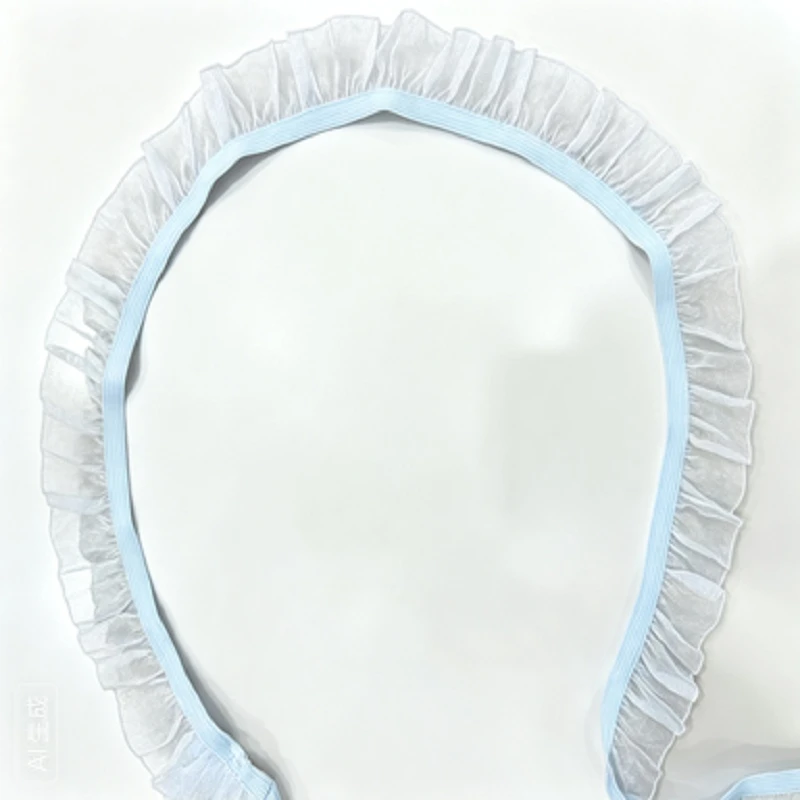
Investing in high-quality patterned elastic bands is the first step in ensuring their longevity. Look for bands made from high-quality materials and manufactured by reputable suppliers. At our company, we offer a wide range of Patterned Elastic Band options, including Lettered Jacquard Elastic Band, Lace Elastic Band, Decorative-Edge Elastic Band, and Wavy-Edge Elastic Band, all made from premium materials to ensure optimal performance.
2. Follow Proper Usage Guidelines
Using the elastic bands correctly can help prevent premature wear and tear. Avoid over-stretching the bands beyond their recommended limits and use them in the appropriate applications. For example, if a band is designed for light-duty use, don't use it in a high-stress application.
3. Store the Bands Properly
As mentioned earlier, proper storage is crucial for maintaining the elasticity of the bands. Store the bands in a cool, dry place away from direct sunlight and chemicals. If possible, store the bands in their original packaging or in a sealed container to protect them from dust and moisture.
4. Clean the Bands Regularly
Cleaning the bands regularly can help remove dirt, sweat, and other contaminants that can cause degradation. Use a mild detergent and lukewarm water to clean the bands, and avoid using harsh chemicals or abrasive materials. After cleaning, allow the bands to air dry completely before storing them.
Case Studies and Real-World Examples
To illustrate the importance of these factors, let's look at some real-world examples.
Case Study 1: Fashion Industry
In the fashion industry, patterned elastic bands are commonly used in waistbands, cuffs, and other garment applications. A clothing manufacturer noticed that some of their products were losing their elasticity after a few washes. After investigating, they found that the elastic bands they were using were of low quality and were not suitable for the high-temperature washing and drying processes. By switching to high-quality Patterned Elastic Band options, they were able to improve the durability and performance of their products.
Case Study 2: Medical Industry
In the medical industry, elastic bands are used in braces, compression garments, and other medical devices. A medical device manufacturer was experiencing issues with the elasticity of their elastic bands in a humid environment. They found that the bands were absorbing moisture, which was causing them to lose their elasticity. By using bands made from materials that are more resistant to moisture and storing the bands in a dry environment, they were able to solve the problem.
Conclusion
In conclusion, the longevity of patterned elastic bands depends on several factors, including material quality, environmental conditions, usage frequency and intensity, and storage conditions. By understanding these factors and taking the appropriate steps to extend the elasticity of the bands, you can ensure their optimal performance and durability.
As a supplier of Patterned Elastic Band, we are committed to providing high-quality products and excellent customer service. If you have any questions or would like to discuss your specific requirements, please feel free to contact us. We look forward to working with you to meet your elastic band needs.
References
- ASTM International. (2019). Standard Test Methods for Rubber Property—Tension. ASTM D412.
- ISO. (2017). Rubber, vulcanized or thermoplastic—Determination of tensile stress-strain properties. ISO 37.
- Smith, J. (2018). Elasticity and Durability of Elastic Materials. Journal of Materials Science, 53(12), 8765-8778.