

What temperature of water is suitable for washing seamless elastic band?
Jul 31, 2026
Leave a message
As a seasoned supplier of Seamless Elastic Bands, I've encountered numerous inquiries regarding the optimal water temperature for washing these versatile products. In this blog, I'll delve into the science behind choosing the right water temperature, explore the potential impacts of different temperatures on seamless elastic bands, and provide practical guidelines to ensure their longevity and performance.
Understanding the Composition of Seamless Elastic Bands
Before discussing the suitable water temperature for washing, it's essential to understand the materials used in seamless elastic bands. These bands are typically made from a combination of natural or synthetic fibers, such as rubber, spandex, nylon, or polyester. The specific composition can vary depending on the intended use and quality of the elastic band.
Natural rubber is known for its excellent elasticity and resilience, but it can be sensitive to heat and chemicals. Synthetic fibers like spandex and nylon offer greater durability and resistance to stretching, making them ideal for applications that require long - lasting elasticity. Polyester is often used for its strength and resistance to shrinking and wrinkling.
The Effects of Water Temperature on Seamless Elastic Bands
Cold Water (Below 20°C)
Cold water is generally considered the safest option for washing seamless elastic bands. Washing in cold water helps to preserve the elasticity of the band by minimizing the risk of heat - induced damage. Cold water also reduces the likelihood of color fading, especially for bands with dyed or printed patterns.
When using cold water, it's important to use a gentle detergent that is specifically formulated for delicate fabrics. Avoid using harsh chemicals or bleach, as these can weaken the fibers and reduce the elasticity of the band. Gently agitate the band in the water and rinse thoroughly to remove any dirt or detergent residue.
Warm Water (20 - 40°C)
Warm water can be used for washing seamless elastic bands, but it should be used with caution. While warm water can be more effective at removing stubborn stains, it also poses a higher risk of damaging the elastic fibers. Prolonged exposure to warm water can cause the rubber or spandex to break down, leading to a loss of elasticity and a shorter lifespan for the band.
If you choose to wash your seamless elastic bands in warm water, make sure to use a mild detergent and limit the washing time. Avoid wringing or twisting the band, as this can cause it to stretch out of shape. Instead, gently squeeze out the excess water and lay the band flat to dry.

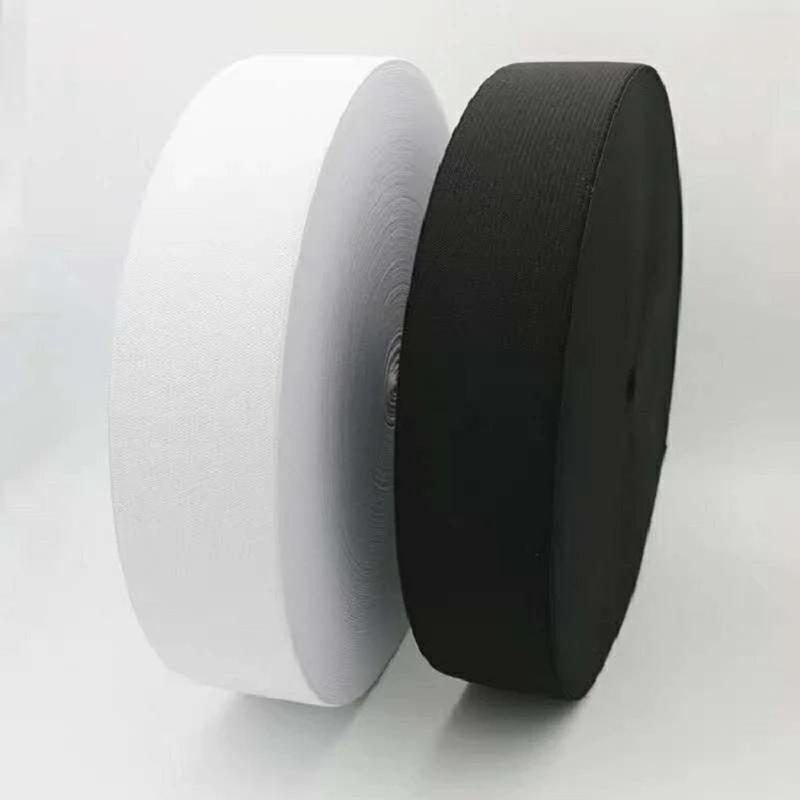
Hot Water (Above 40°C)
Hot water should generally be avoided when washing seamless elastic bands. High temperatures can cause the elastic fibers to shrink, lose their elasticity, or even melt in extreme cases. Hot water can also cause the colors of the band to fade or bleed, especially if the band is not color - fast.
In addition to the damage to the elastic fibers, hot water can also cause the band to become misshapen. The heat can cause the fibers to relax and stretch, making it difficult to restore the original shape of the band. If you accidentally wash a seamless elastic band in hot water, it's important to take immediate action to minimize the damage. Try soaking the band in cold water to help it regain some of its elasticity.
Practical Guidelines for Washing Seamless Elastic Bands
- Check the Care Label: Always check the care label on the seamless elastic band before washing. The care label will provide specific instructions on the recommended water temperature, detergent, and washing method.
- Separate by Color: To prevent color bleeding, separate your seamless elastic bands by color before washing. Wash dark - colored bands separately from light - colored bands.
- Use a Gentle Detergent: Choose a mild, gentle detergent that is suitable for delicate fabrics. Avoid using detergents with harsh chemicals or bleach.
- Avoid Over - washing: Over - washing can cause unnecessary wear and tear on the seamless elastic band. Only wash the band when it is dirty or stained.
- Dry Properly: After washing, gently squeeze out the excess water and lay the band flat to dry. Avoid hanging the band, as this can cause it to stretch out of shape. If you need to use a dryer, use a low - heat setting.
Our Seamless Elastic Band Products
At our company, we offer a wide range of high - quality seamless elastic bands to meet the diverse needs of our customers. Our products include Elastic Binding Cord, Non - marking Elastic Band, Seamless Flat Elastic Band, and Invisible Elastic Band. You can explore our full range of Seamless Elastic Band products on our website.
Conclusion
Choosing the right water temperature for washing seamless elastic bands is crucial for maintaining their elasticity, color, and shape. Cold water is generally the safest option, while warm water can be used with caution. Hot water should be avoided to prevent damage to the elastic fibers. By following the practical guidelines outlined in this blog, you can ensure that your seamless elastic bands last longer and perform at their best.
If you are interested in purchasing high - quality seamless elastic bands, we invite you to contact us for more information and to discuss your specific requirements. Our team of experts is ready to assist you in finding the perfect solution for your needs.
References
- Textile Institute. (2019). Handbook of Textile Fibre Structure, Volume 1: Natural Fibres. Woodhead Publishing.
- Lewin, M., & Pearce, E. M. (2006). Handbook of Fiber Chemistry. CRC Press.