

Are non-rolling elastic bands recyclable?
Nov 12, 2026
Leave a message
Are non - rolling elastic bands recyclable? This is a question that not only concerns environmentalists but also us as a non - rolling elastic band supplier. In this blog, we will delve into the various aspects of non - rolling elastic bands and their recyclability, providing you with a comprehensive scientific understanding of the matter.
Understanding Non - Rolling Elastic Bands
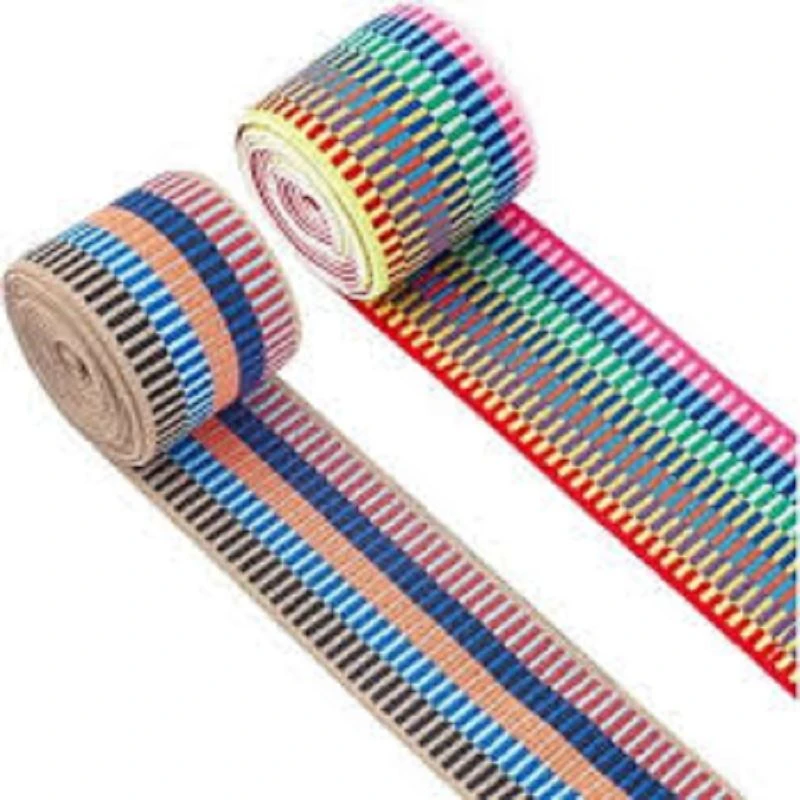
Non - rolling elastic bands are a type of elastic product known for their unique property of not rolling up on themselves. They are widely used in industries such as clothing, medical supplies, and packaging. These elastic bands come in different forms and materials. For instance, we offer Binding Elastic Band, Plain Weave Elastic Band, Colorful Woven Elastic Band, Vertical - Stripe Elastic Band, and Elastic Binding Cord. Each of these products has its own characteristics and applications.
Materials Used in Non - Rolling Elastic Bands
The materials used in non - rolling elastic bands play a crucial role in determining their recyclability. Most non - rolling elastic bands are made from a combination of natural rubber and synthetic fibers. Natural rubber is derived from the latex of rubber trees, which is a renewable resource. Synthetic fibers, on the other hand, can include polyester, nylon, and spandex.
Natural rubber is biodegradable to some extent. When exposed to the environment, it can be broken down by microorganisms over time. However, the process is relatively slow, especially when the rubber is in a product form like an elastic band. Synthetic fibers, such as polyester and nylon, are not biodegradable. They are made from petrochemicals and can persist in the environment for hundreds of years if not properly disposed of.
The Recycling Process of Elastic Bands
Recycling elastic bands is a complex process due to the combination of materials they contain. In general, the first step in recycling is to separate the different components. This is challenging because natural rubber and synthetic fibers are often blended together during the manufacturing process.
For natural rubber, it can be recycled through a process called devulcanization. Devulcanization breaks the cross - links in the rubber, allowing it to be remolded into new products. However, this process requires specialized equipment and is not widely available.
Synthetic fibers in elastic bands can be recycled through mechanical or chemical processes. Mechanical recycling involves shredding the fibers and then re - spinning them into new yarns. Chemical recycling, on the other hand, breaks down the polymers into their monomers and then synthesizes new polymers. These processes are also complex and expensive, and they require significant infrastructure.
Current Recycling Situation
The current recycling situation for non - rolling elastic bands is not optimistic. In most recycling facilities, elastic bands are not a priority for recycling. This is mainly because the separation and recycling processes are complex and costly. As a result, many elastic bands end up in landfills or incinerators.
In addition, the small size of elastic bands also poses a problem. They can easily get caught in recycling machinery, causing damage and disruptions to the recycling process. This further discourages recycling facilities from accepting elastic bands.
Environmental Impact of Non - Recycling
When non - rolling elastic bands are not recycled, they have a significant environmental impact. As mentioned earlier, the synthetic fibers in elastic bands are non - biodegradable. When they end up in landfills, they take up space and can release harmful chemicals into the soil and water over time.
Incinerating elastic bands is also not an ideal solution. Burning synthetic fibers releases pollutants such as dioxins and furans into the atmosphere, which can have serious health effects on humans and animals.
Our Efforts as a Supplier
As a non - rolling elastic band supplier, we are aware of the environmental issues associated with our products. We are committed to taking steps to reduce the environmental impact of our elastic bands.
Firstly, we are researching and developing new materials that are more environmentally friendly. For example, we are exploring the use of bio - based synthetic fibers that can be more easily recycled or biodegraded.
Secondly, we are working with recycling facilities to improve the recycling process for elastic bands. We are providing them with technical support and samples to help them develop more efficient separation and recycling methods.
How You Can Contribute
As consumers, you also have a role to play in the recycling of non - rolling elastic bands. Here are some suggestions:
- Reduce consumption: Try to use elastic bands only when necessary. For example, instead of using elastic bands for packaging, you can use other sustainable materials such as paper or cardboard.
- Reuse: If the elastic bands are still in good condition, you can reuse them multiple times. For example, you can use them to tie up bundles of papers or hold together items in your workshop.
- Proper disposal: If you can no longer reuse the elastic bands, try to find a recycling facility that accepts them. You can also contact our company, and we will try to guide you on the proper disposal methods.
Conclusion
In conclusion, the recyclability of non - rolling elastic bands is a complex issue. While the materials used in them have the potential to be recycled, the current recycling situation is far from ideal. However, as a non - rolling elastic band supplier, we are committed to finding solutions to make our products more sustainable.

If you are interested in purchasing high - quality non - rolling elastic bands or have any questions about our products and their environmental impact, please do not hesitate to contact us. We are here to provide you with the best products and services, and together, we can contribute to a more sustainable future.
References
- "Introduction to Rubber Technology", by Maurice Morton
- "Recycling of Synthetic Fibers: A Review", by various authors in the Journal of Environmental Management
- "The Environmental Impact of Plastic and Rubber Waste", by the United Nations Environment Programme